Being Everywhere Isn’t Enough: Why Small and Medium Businesses Need Omnichannel, Not Just Multichannel

Running ads on every platform feels like progress. But if the same message is just copied from one channel to the next, you’re leaving your best growth on the table. Here’s the difference, and why it matters most for small and medium businesses.
If you run a small or medium business, you’re probably already doing more marketing than you get credit for. You’re on Google. You’re on Instagram and Facebook. Maybe you’ve dabbled in YouTube, sent a few emails, or put your name on a billboard. By most definitions, you’re “everywhere.”
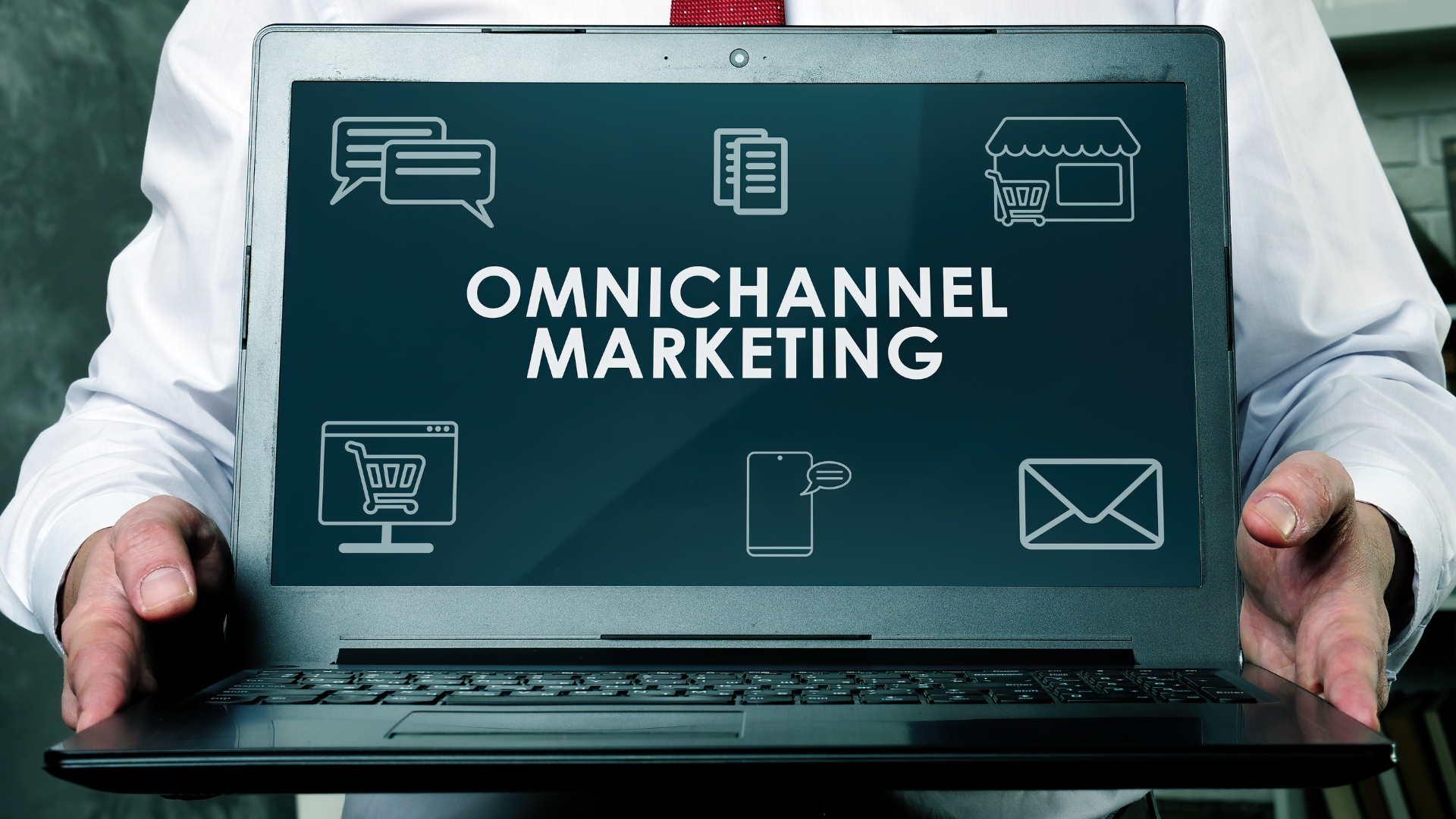
That’s multichannel marketing, and it’s a solid foundation. But being present on a lot of channels isn’t the same as making those channels work together. The businesses that pull ahead aren’t the ones on the most platforms. They’re the ones running omnichannel campaigns: one clear idea, adapted to each channel and each audience, so the whole thing feels like a single, coordinated story.
For a business with a limited budget, that distinction isn’t a nice-to-have. It’s the difference between spending money to be seen and spending money to be remembered.
Multichannel vs. omnichannel: the real difference
It’s easy to blur these two terms, so here’s the simplest way to tell them apart.
Multichannel means you’re present on many channels, but each one runs on its own. The same creative gets resized for every placement, the message is written once and pasted everywhere, and each channel is judged only on whether it “delivered.” It’s consistent, but it’s one-size-fits-all, and customers can feel the seams.
Omnichannel means those same channels are coordinated around the customer. There’s one core idea, but each channel gets an execution built for it. The message is shaped to fit the context and the audience, every channel plays to its own strength, and the experience feels seamless, like one brand talking to one person, wherever they happen to be.
Put simply: omnichannel isn’t about adding more channels. It’s about getting your channels to talk to each other.
Why it matters more when the budget is tight
You might assume coordination like this is a luxury reserved for big brands with big teams. It’s actually the opposite, it matters most when every dollar counts.
The data backs it up. Campaigns that coordinate three or more channels have been shown to drive dramatically higher purchase rates than single-channel efforts, and roughly three-quarters of customers use multiple channels before they ever buy. Meanwhile, a large share of ad spend is quietly wasted on poor targeting and mismatched messaging. When your budget is small, you can’t afford that waste. Omnichannel is how you make sure every impression is pulling in the same direction instead of competing with itself.
There’s another reason creative coordination punches above its weight: the creative itself is the single biggest lever you control. Studies consistently find that the quality of the creative, the message, the hook, the first few seconds, accounts for roughly half of a campaign’s impact, more than targeting or reach. A great idea, adapted well, will outperform a bigger budget spent carelessly almost every time.
One idea, many executions
Here’s the mindset shift that makes omnichannel practical, even for a lean team: one idea, many executions.
You don’t need a different campaign for every platform. You need one strong idea — a single promise your whole campaign carries — and then you rebuild it for each place it shows up. The core stays consistent: the same promise, the same tone, the same logo and colors, so people recognize you everywhere. But the execution adapts: the hook, the format, the length, and the call-to-action all change to fit the channel.
Think about how the same offer travels. On Google search, it’s a clean, direct result — the benefit and a clear next step, nothing spare, because the person is already looking for you. On Instagram, it’s a thumb-stopping visual that feels native to the feed, not a stiff TV ad. On a YouTube pre-roll, the hook has to land in the first two seconds before someone hits “skip.” On a billboard, it’s six glanceable words. On a streaming audio ad, there’s no visual at all — just one memorable line and a spoken invitation to act.
Same promise. Completely different execution. That’s what makes it feel like one campaign instead of six disconnected ads.
The mistake even good marketers make: forgetting the audience
Here’s where a lot of otherwise-solid campaigns leave money on the table, and it’s especially common for businesses with more than one location or more than one type of customer.
Imagine a dental group with several offices across a metro area. They run a strong seasonal campaign, nicely designed, segmented by age with separate ads for kids, teens, and adults. Good work. But the exact same ads and the exact same copy run in every single location, word for word.
Every one of those neighborhoods shares the same goal, get more patients booked, but they don’t share the same community. A message that name-checks the local area, references what’s happening in that specific neighborhood, and speaks in a familiar, local voice creates a connection that a generic, one-size-fits-all ad simply can’t. And that connection is exactly what lifts performance.
Tailoring your message to your audience isn’t extra work for its own sake. It’s the difference between an ad people scroll past and one that feels like it’s talking to them.
How to start, without blowing up your budget
You don’t need to overhaul everything at once. A few practical moves get you most of the way there:
Start from one core idea rather than a list of placements — the single thought you want the whole campaign to carry. Give each channel a job based on what it’s actually good at, instead of running everything everywhere out of habit. Create your assets once and repurpose them intelligently across formats, rather than resizing one master file. And keep your brand cues — logo, colors, voice — consistent everywhere, so all the pieces read as one campaign. Then watch what’s working, and put more behind the winners.
None of that requires a bigger budget. It requires a bit more intention with the budget you already have.
Being on every channel got you in the game. Getting those channels to work together, one idea, adapted to each platform and each audience, is what turns marketing spend into real, compounding growth. For a small or medium business, that coordination isn’t a luxury. It’s your unfair advantage.
You’ve likely already built the multichannel foundation. Omnichannel is simply the next step, and it’s a step that pays for itself.
Ready to turn “everywhere” into “working together”? That’s exactly the kind of coordinated, creative-first campaign work we love to help local businesses with.