
How to Handle Negative Comments Without Damaging Your Brand

Performance Digital • October 13, 2026

Every brand with a comment section will eventually get a bad one. What separates a one-off complaint from a lasting reputation hit isn’t the criticism itself. It’s what your brand does next.


A single unhappy comment rarely sinks a brand. A slow, defensive, or tone-deaf reply is what turns it into a story. The good news? Handling criticism well is a skill, not a personality trait. It comes down to a few repeatable habits.

Don't Reply in the Heat of the Moment

The instinct when you see something unfair or nasty is to fire back immediately. Resist it. Read the comment twice, check whether it's a one-off or part of a larger pattern, and decide on your tone before you type anything. Giving yourself five minutes to cool down can make all the difference in crafting a better response.

Type of Comment How to Handle It
Specific Complaint (bad order, poor service, etc.) Respond to the comment, acknowledge the issue, and invite them to message you so you can get more information and make it right
Negative Opinion Keep your response short, polite, and professional. You don't need to convince them to change their mind
Angry or Rude Comment Don't match their energy. Respond calmly, or leave it alone if there's nothing productive to add
Spam or Inappropriate Comment You don't have to engage. Delete, hide, or black when appropriate

Sort the Comment Before You Respond to It

Not every negative comment deserves the same response. Before you hit reply, figure out what kind of comment you're dealing with. Here's a quick way to decide how to respond:

Take Specifics Private, but Don't Go Silent in Public

If someone has a real issue, like a bad experience, rude staff interaction, or a problem with a product or service, acknowledge it in the comments and invite them to message you so you can get the details and work toward a solution. You don't want to leave the comment unanswered, but you also don't need to hash out the entire situation in front of everyone. Keep your public response short, friendly, and focused on letting them know you are listening. Once the issue is resolved, a quick follow-up can help close the loop.

Never Argue Back with Someone Who's Genuinely Upset

Trying to fight anger with logic, sarcasm, or defensiveness usually only makes things worse. Remember, you're not just responding to the person who left the comment. Other people are watching, too. Keep your response calm, specific, and human. A genuine response will always come across better than a copy-and-paste corporate line.

Know The Difference Between a Complaint and a Troll

Not every negative comment is worth engaging with. If someone is clearly trying to get a reaction, you don't need to get pulled into a back-and-forth. Give one calm, brief response if needed, then move on. Continuing the conversation usually won't change their mind and can turn a small comment into a much bigger interaction.

Example: A Genuine Crisis, Handled Well

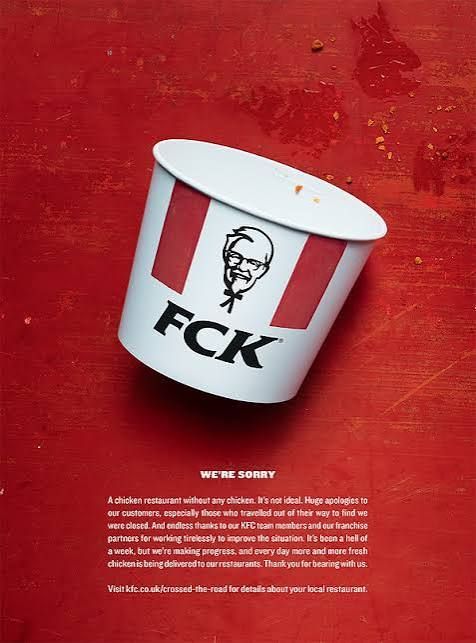
In February 2018, a logistics switch left roughly 800 of KFC's 900 UK restaurants without

chicken. For a fried-chicken chain, that's a pretty big problem. Customers took to social media with complaints and jokes, and KFC had a very public mess on its

hands.


Instead of hiding behind a generic corporate statement, KFC owned the mistake. The brand ran an apology featuring an empty chicken bucket with its logo rearranged to spell “FCK,” acknowledged what went wrong, thanked its staff, and directed customers to a store-status page.

Why it worked:

KFC responded while the issue was still unfolding, took responsibility without shifting blame, and used humor that felt true to the brand. Most importantly, the response acknowledged that customers were frustrated instead of trying to explain the problem away.


For a local business, the lesson isn't to copy KFC's exact approach. It's to own the mistake, respond quickly, and make your response feel like a real person is behind it.

Example: When The First Reply Makes Things Worse

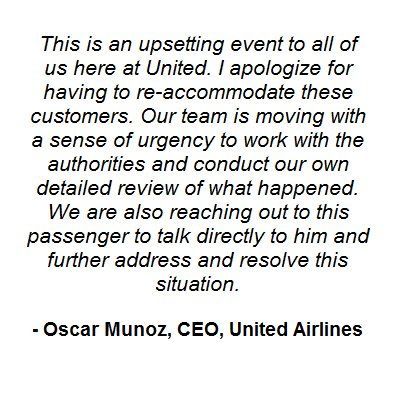
In 2017, video of a passenger being forcibly removed from an overbooked United Airlines flight went viral. The airline's initial statements described the situation as “re-accommodating” customers and referred to the passenger as “disruptive and belligerent.” With video of the incident spreading online, the language came across as defensive and focused on blaming the customer rather than acknowledging what happened.


And it wasn't just one poorly worded response. The first three statements came from United's CEO, Oscar Munoz, while a fourth statement was later posted on the company's website following a news conference by the passenger's attorneys. By that point, the story had continued to grow, and the company had already faced significant public backlash.

Why it's Instructive

This is a clear example of what can happen when a brand gets defensive instead of listening. Using corporate language and shifting blame didn't calm the situation. It made the response feel even more disconnected from what customers were seeing and experiencing.


The lesson for any business is simple: When people are genuinely upset, don't rush to defend yourself. Acknowledge what happened, take responsibility when it's warranted, and focus on making it right.

It's How You Respond

Negative comments are going to happen. You can’t control what someone says about your business, but you can control how you respond.


Take a breath before replying. Figure out what kind of comment you’re dealing with. Acknowledge legitimate concerns, move the details to a private conversation when needed, and know when it’s better to walk away.


You don’t need the perfect response every time. You just need to show that you’re listening, that you care, and that there’s a real person behind the brand.


A negative comment doesn’t have to damage your reputation. Handled well, it can actually show potential customers how your business treats people when things don’t go perfectly.

Share

Billboard reading “THE BILLBOARD TEST” on a gray sign against a blue sky.
By Performance Digital • October 6, 2026
Learn why short headlines, minimal copy, and clear visual hierarchy can improve display ad and landing page performance and help drive more clicks.

Robot elephant in a modern office, surrounded by coworkers watching it attentively
September 23, 2026
A practical look at where AI helps marketers and where human judgement still matters.

Three AI Generated event flyers: boba tea sale, neon concert night, and big pizza sale
By Performance Digital • September 15, 2026
There's an instinct among certain business owners to keep up with the latest marketing trends, and right now, the trend is AI flyers. They're scattered across social media and aside from sales and promotions, can communicate a lot about what or who a brand is. The instinct is understandable, and for many business owners, a quick solution that can potentially elevate their brand is exactly what they need. The low barrier to entry seems attractive to someone who's already strapped for time and may not be able to afford a professional designer on a weekly basis, but here are a few things to consider and ask yourself before putting one of these flyers together.

Human hand reaching toward a robotic hand on a white background
By Performance Digital • September 8, 2026
There’s a sentence I hear more and more often in digital marketing conversations: “Well, can’t I just use AI to make that?” And the answer is… probably. You can use AI to write a blog, create social posts, generate an image, draft an email, come up with Google Ads headlines or build a content calendar in seconds. I’m not going to tell you that’s a bad thing. We use AI, too. It has made parts of our jobs faster, helped us work through ideas and given marketers access to tools we couldn’t have imagined a few years ago. But being able to make something and knowing what you should make are two very different things. 
Laptop screen showing “OMNICHANNEL MARKETING” with digital communication icons
By Performance Digital • September 2, 2026
Running ads on every platform feels like progress. But if the same message is just copied from one channel to the next, you’re leaving your best growth on the table. Here’s the difference, and why it matters most for small and medium businesses. If you run a small or medium business, you’re probably already doing more marketing than you get credit for. You’re on Google. You’re on Instagram and Facebook. Maybe you’ve dabbled in YouTube, sent a few emails, or put your name on a billboard. By most definitions, you’re “everywhere.” That’s multichannel marketing, and it’s a solid foundation. But being present on a lot of channels isn’t the same as making those channels work together. The businesses that pull ahead aren’t the ones on the most platforms. They’re the ones running omnichannel campaigns: one clear idea, adapted to each channel and each audience, so the whole thing feels like a single, coordinated story. For a business with a limited budget, that distinction isn’t a nice-to-have. It’s the difference between spending money to be seen and spending money to be remembered.

Hands around a table reviewing colorful business charts and graphs on papers and tablets.
By Alexis Rios • August 26, 2026
What Is Marketing Data?