Vibe Coders Are Scamming Small Businesses: Here's How to Spot Them

Brayden Will • October 27, 2026

As a designer I try and educate myself on recent design trends and things going on in that world as much as possible. Through my education and experience I have spent a lot of time on designing and building websites, never in my experience has it gone well without someone opening a code editor.


Today, new AI tools can write code, lay out pages, and make a “working” website faster than I can pick a font. The world likes to say that AI is coming for people’s jobs in this area specifically targeted at web/UX designers. To me it’s not the tool that I worry about, it’s the people abusing the system that are. Over the last few months, I’ve noticed and defined two types of people that are worth looking out for.

The $10,000 Website in Two Minutes

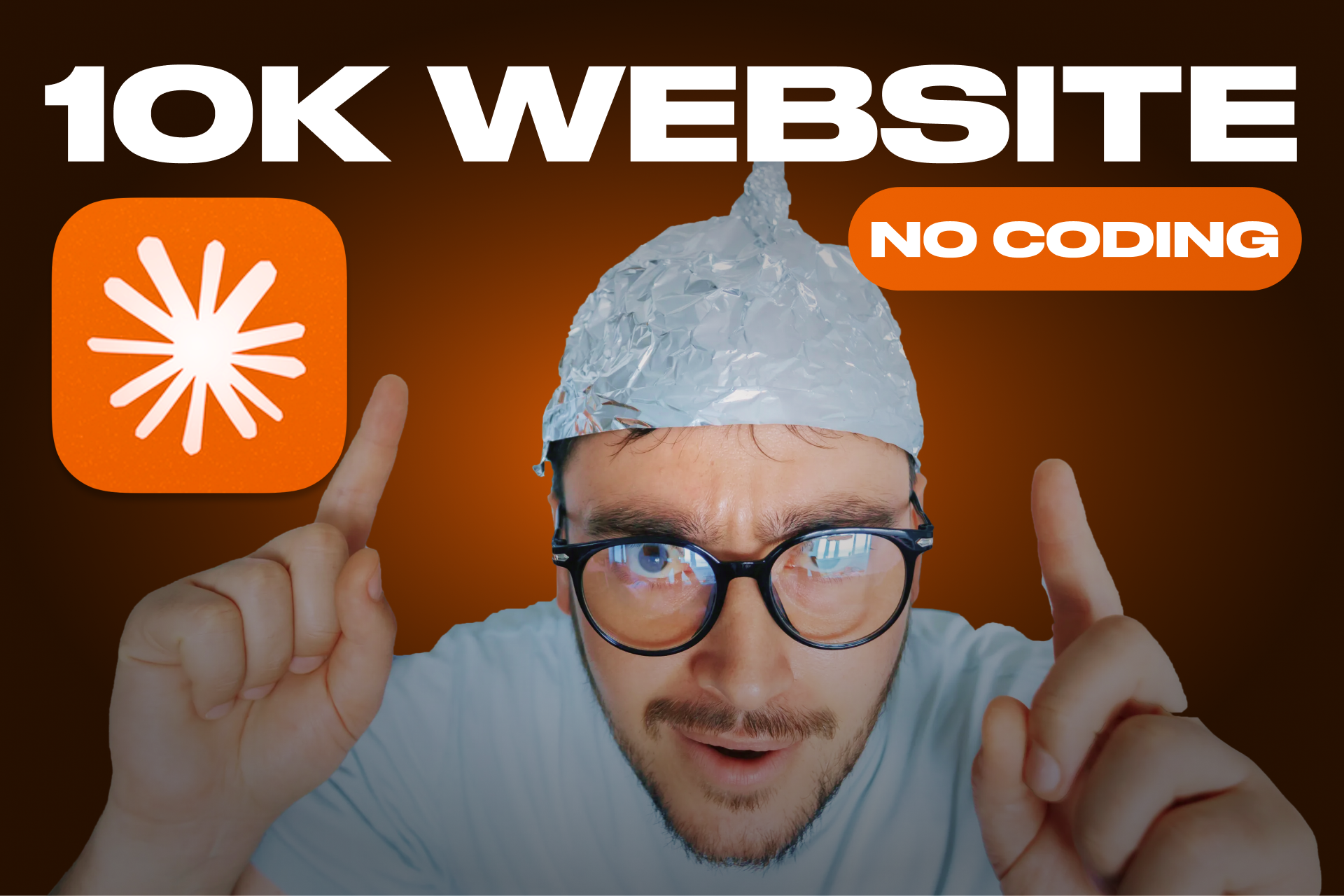
You've probably seen the videos. Someone on YouTube or Instagram promises to teach you how to build a $10,000 website in two minutes using Claude. They all follow the exact same script. A generic prompt goes in, and then very clean visuals of a landing page come out somehow looking like the best designed website you’ve ever seen. The host scrolls up and down a few times without ever walking you through the actual website, using the same tricks as a magician; misdirection.


The goal is simple distract you with pretty visuals and move straight into the pitch to convince you AI created it, and then get you to sign up for their course, book a session, sign up for emails, or purchase the prompts they used. These videos never show the website being used. Nobody is there for accountability for this person to back up what they are saying by testing the website. There is no one to test mobile optimization, how easy the site is to edit, whether its practical for customers, or whether a screen reader can navigate it.


A landing page that looks good in a YouTube video and a real practical website are two very different things. These people aren’t selling websites, they are selling you the dream of making easy money, you are their customer, and the courses, groups, and sessions are the product they are making money on. When it comes to business scams like this, I always like to think about it like this, if this business is truly doing so well and making 20k a month selling AI websites why are they so eager to make videos on it and teach you how to do the exact same thing. There is a reason successful companies don’t share their success.

The All-in-One Marketing Genius

The second type is harder to spot and is arguably way more dangerous than the vibe coders above. This person claims to be a website designer. Once you hire them suddenly, they are a logo designer, brand strategist, business consultant, and given enough time, probably your accountant too.


They snake their way into a relationship with a big-name client or two, then use those connections as credibility to approach other smaller businesses. Their pitch is usually along the lines of this. You need a new website and a new logo. While we’re at it lets rethink your business model. Since you are working with me, you should probably fire anyone else related to this project since I will give you a deal and do all of it for less money. That last part is the tell of any major scam. Their goal is to become the only person that has a voice in the room, so nobody is left to check them on their work or ask about what is being delivered.


This isn’t a hypothetical situation; I’ve recently seen this happen to several small business owners here in Omaha. They came to us in distress after going through this exact scam. Contacting us in distress because the person they believed was a high-end web designer had taken several thousands of dollars from them and delivered nothing. The worst part is what they were promised was the kind of generic AI site they could have generated themselves in an afternoon, for next to nothing. They paid the premium designer prices and received a templated, unusable, AI slop mess of a site.

If You Can Make It Yourself, Why Pay for It?

This might sound odd coming from a designer, but if your business doesn’t need a fancy custom website, you could probably make one yourself. This is not a new thing, website templates have been real and easy to use for several years now, well before AI came around. They were/are drag and drop builders that make a decent, professional looking website in a short time, all for a small subscription fee.


AI websites are a newer version of this same idea, only way faster. You type a request instead of picking from a list of templates, but what comes out it still a starting point built for a generic business. Which means it doesn’t understand your business or needs.


Business still hired designers through all of it and that reason hasn’t changed. Designers are trained to do this so that you don’t have to. Just like there is a reason you don’t do plumbing in your house, you hire someone to do it because they are trained to.


We know what makes a website good, not just what makes it pretty. We know how people scroll through a page, what they click on, what makes them confused, and what makes them leave. We know how to build a website that is optimized for you, your client, and your business. That is the part AI can’t replace, it can study millions of websites in seconds, but still can’t watch a real person get frustrated when they can’t find a phone number. It doesn’t know how to compute user error into a design build based on your typical clients. It can’t sit in a room with you and pick up on what you mean when you say you want your site to feel welcoming or friendly. Usability is about people and understanding people takes a person.


That's what you're paying for:

  • Knowing what good looks like. Training and experience to judge what works, instead of accepting whatever shows up first.
  • A site that stands out. Built around your brand, not a layout that looks like every other business that used the same template or typed the same prompt.
  • An experience built for your customers. Pages planned around how your audience looks for information and what they need to do next.
  • Accessibility. A site everyone can use, including people with visual or motor impairments.
  • Something you can manage. Set up so you can make updates yourself without a support ticket or a phone call.
  • Customized to your needs. Decisions made with you, based on your goals and preferences.

The tools have changed a lot over the years. What makes a website worth paying for hasn't.

Where AI Fits

None of this is a case against AI. We use it at Performance Digital, and I use it in my own process. It speeds up the tedious parts and helps test ideas faster. The difference is who's in charge. A designer uses AI like any other tool, to support decisions they're responsible for. The people described in this post use it to skip the decisions entirely and then charge you for the result.

Before You Hire Anyone

A few simple questions go a long way:

  • Can I see live websites you've built? (Then go click around them yourself.)
  • Can I talk to a past client?
  • Will I own my domain, hosting account, and site files?
  • What happens after launch, and who handles updates?
  • Can I edit my website myself? How quickly can I make updates?


Be cautious of anyone who wants the full amount up front, promises a timeline that sounds too good to be true, or tells you to cut ties with your current team before they've delivered anything at all.

If you've been burned before, or you're not sure your current site is pulling its weight, reach out. We'll walk through where it stands, what's holding it back, and what it would take to build something that works for your business. Anyone can generate a website now. Not everyone can make one worth visiting..

Share

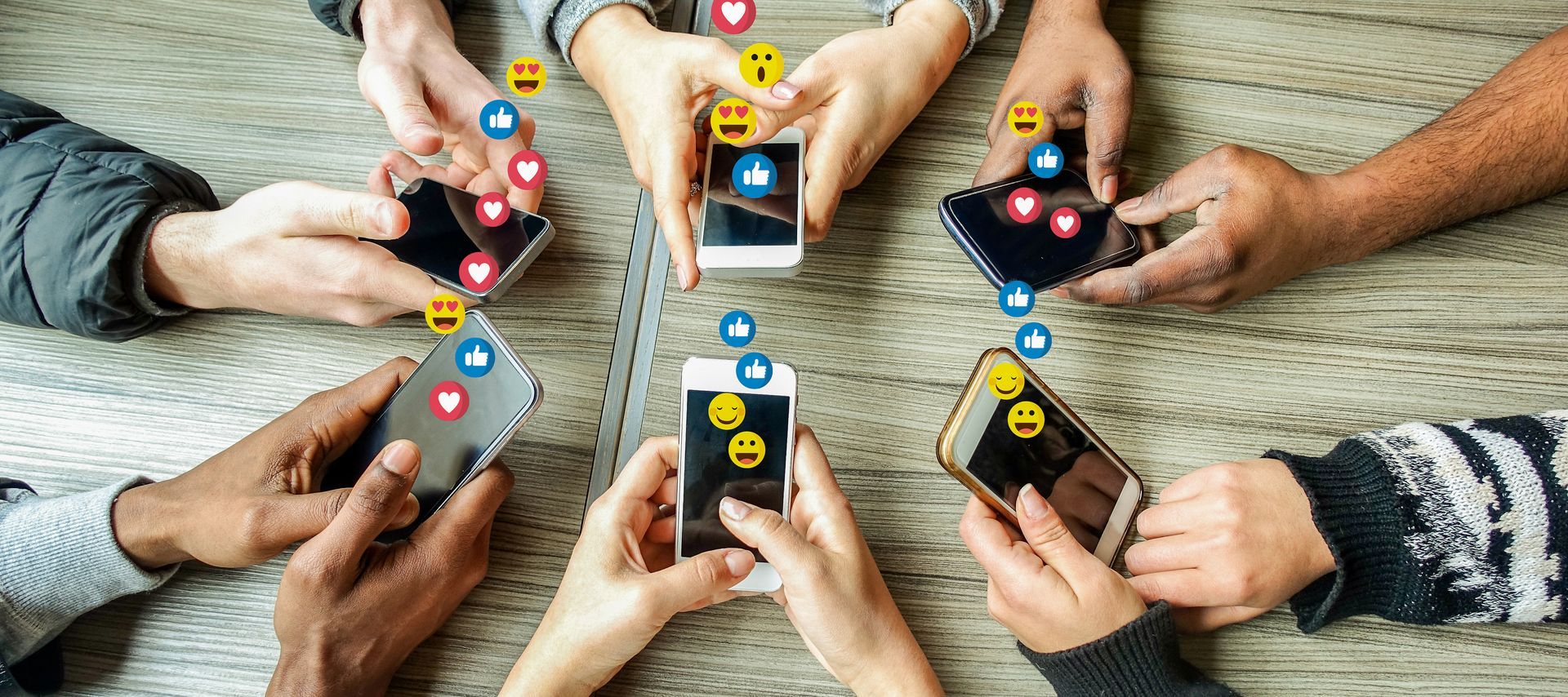
Hands holding smartphones in a circle on a table, with colorful app icons floating above each screen.
By Performance Digital • October 20, 2026
Social media and the internet have been part of everyday life for years, but the way people use these platforms continues to change. As social platforms have added more features, integrations, search capabilities, and shopping tools, they have also changed how businesses reach customers, and how customers move through the marketing funnel. The traditional marketing funnel is usually viewed as a fairly straightforward journey: someone becomes aware of a business, develops interest, considers their options, and eventually converts. Today, that journey is much less linear.
Text reading “How to Handle Negative Comments Without Damaging Your Brand” beside a thumbs-down icon
By Performance Digital • October 13, 2026
Every brand with a comment section will eventually get a bad one. What separates a one-off complaint from a lasting reputation hit isn’t the criticism itself. It’s what your brand does next. A single unhappy comment rarely sinks a brand. A slow, defensive, or tone-deaf reply is what turns it into a story. The good news? Handling criticism well is a skill, not a personality trait. It comes down to a few repeatable habits.

Billboard reading “THE BILLBOARD TEST” on a gray sign against a blue sky.
By Performance Digital • October 6, 2026
Learn why short headlines, minimal copy, and clear visual hierarchy can improve display ad and landing page performance and help drive more clicks.
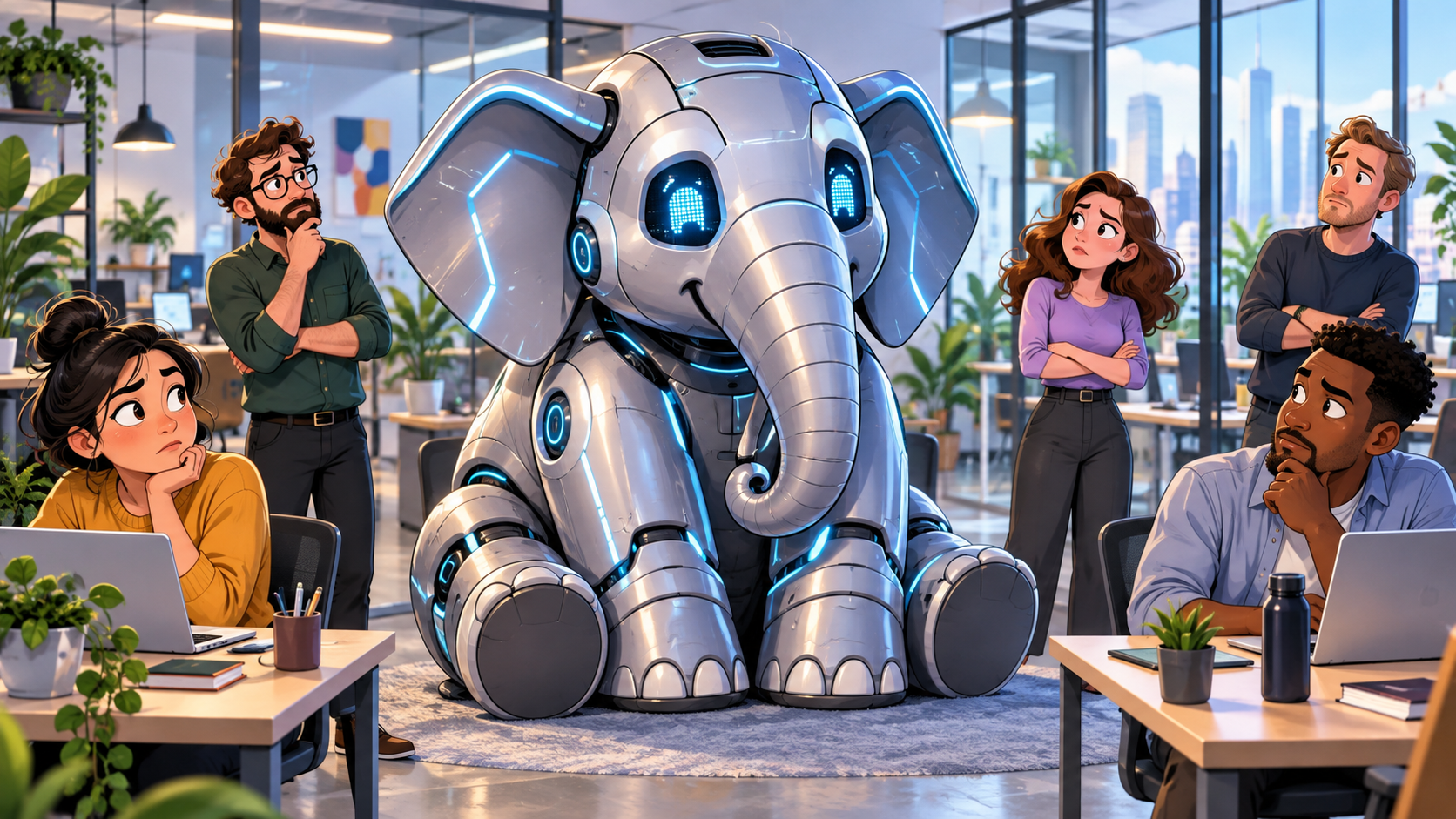
Robot elephant in a modern office, surrounded by coworkers watching it attentively
September 23, 2026
A practical look at where AI helps marketers and where human judgement still matters.
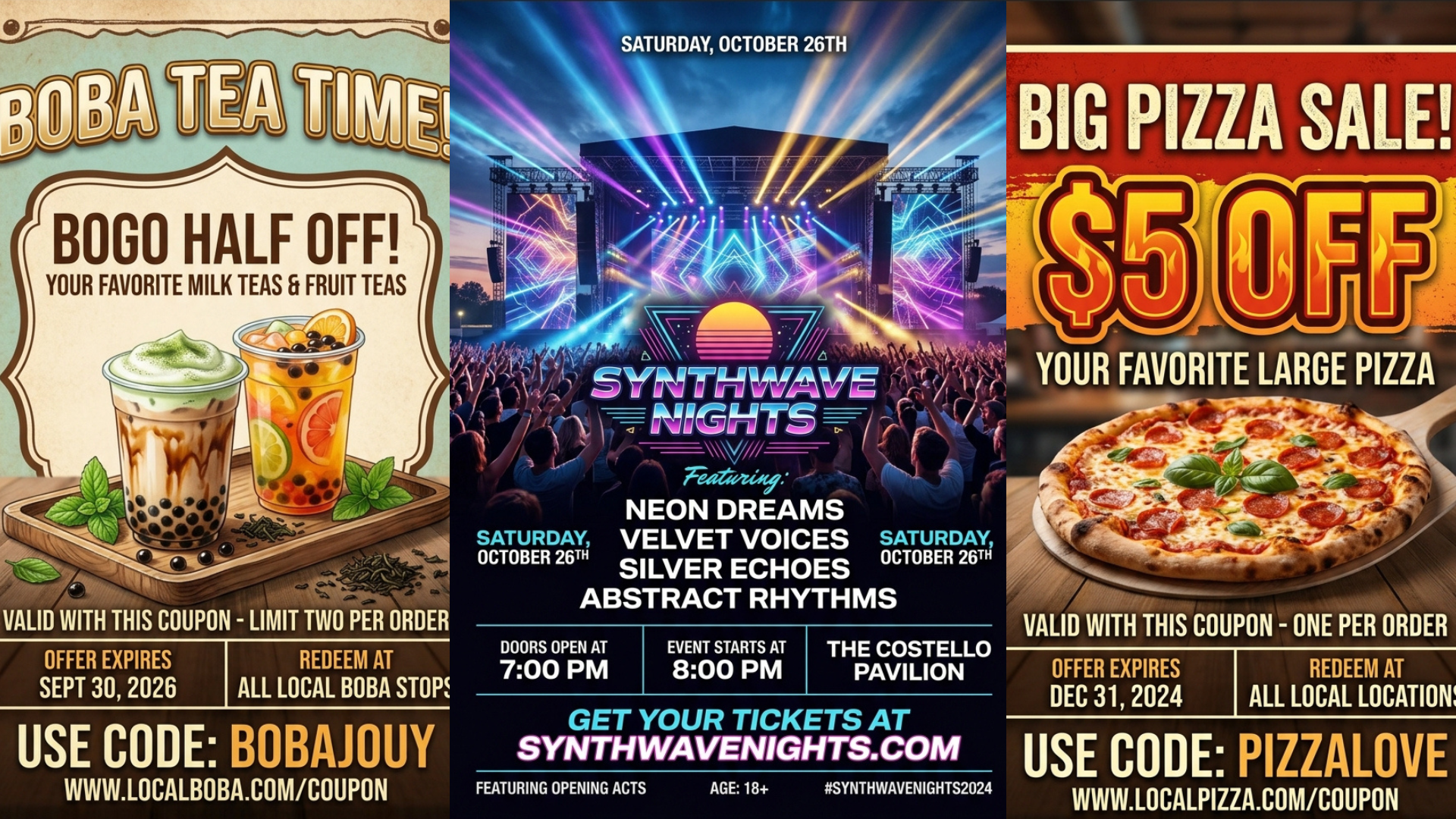
Three AI Generated event flyers: boba tea sale, neon concert night, and big pizza sale
By Performance Digital • September 15, 2026
There's an instinct among certain business owners to keep up with the latest marketing trends, and right now, the trend is AI flyers. They're scattered across social media and aside from sales and promotions, can communicate a lot about what or who a brand is. The instinct is understandable, and for many business owners, a quick solution that can potentially elevate their brand is exactly what they need. The low barrier to entry seems attractive to someone who's already strapped for time and may not be able to afford a professional designer on a weekly basis, but here are a few things to consider and ask yourself before putting one of these flyers together.
Human hand reaching toward a robotic hand on a white background
By Performance Digital • September 8, 2026
There’s a sentence I hear more and more often in digital marketing conversations: “Well, can’t I just use AI to make that?” And the answer is… probably. You can use AI to write a blog, create social posts, generate an image, draft an email, come up with Google Ads headlines or build a content calendar in seconds. I’m not going to tell you that’s a bad thing. We use AI, too. It has made parts of our jobs faster, helped us work through ideas and given marketers access to tools we couldn’t have imagined a few years ago. But being able to make something and knowing what you should make are two very different things.