How to Increase Your Reach on Social Media

April 28, 2026

What is Social Media Reach?

Social media reach refers to the total number of unique people who see your content. Unlike impressions, which count how many times your post is displayed, reach focuses on how many individual users your content actually gets in front of. In today’s digital world, reach is everything. Whether you're a business, brand, or content creator, getting your posts seen by more people is key to growing your audience and increasing engagement. The good news? Expanding your reach doesn’t require a massive budget—just the right strategy.

How the Social Media Algorithm Works in 2026

In 2026, social media algorithms are more advanced, and more personalized, than ever 

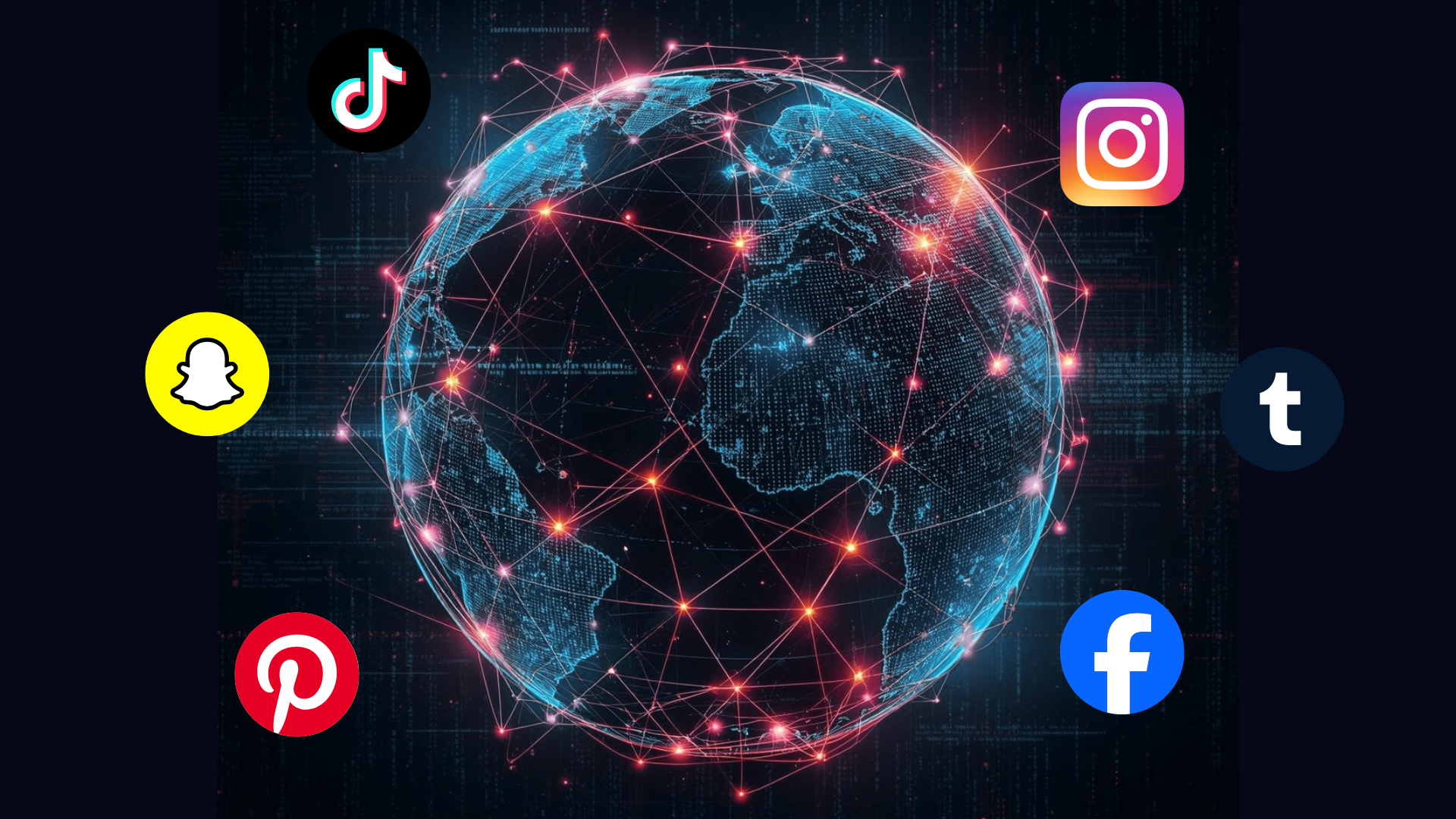
before. Instead of simply pushing content based on likes or follower count, platforms now use AI-driven systems to predict what users will enjoy and keep them engaged. These algorithms analyze behaviors like watch time, shares, saves, comments, and even how long someone lingers on a post. Content is often tested on a small audience first, and if it performs well, especially in terms of watch time and meaningful interactions, it gets pushed to a larger group. 


Another major shift is the focus on quality engagement over vanity metrics. For example, 

platforms like Instagram now prioritize shares and direct sends over simple likes, meaning content that people actively pass along is more likely to reach a wider audience. Overall, the algorithm’s goal is simple: keep users on the app longer by showing them content that feels relevant, engaging, and personalized to their interests

Strategies to Improve Reach on Social Media

Now that we understand how reach works and how the algorithm prioritizes content, let’s dive into 5 practical strategies you can start using today to expand your reach and grow your audience.

Know Your Audience & Post with Purpose

One of the most important steps in growing your social media reach is understanding who you are trying to reach. When you have a clear picture of your audience’s demographics, interests, behaviors, and online habits, you can create content that speaks directly to them instead of posting blindly. This includes identifying what type of content they engage with most, what problems they are trying to solve, and when they are most active on different platforms. The better you understand your audience, the easier it becomes to create content that feels relevant and intentional rather than random.


Once that foundation is in place, consistency becomes even more powerful. Posting regularly, not just when you have time, helps keep your brand top-of-mind while also signaling to algorithms that your account is active, reliable, and worth distributing to a wider audience. Using a content calendar can make this process much easier by helping you plan ahead, stay organized, and maintain a balanced posting schedule without feeling overwhelmed or constantly scrambling for new ideas.

Create High-Quality, Value Driven Content

High-quality content is the foundation of strong social media reach. No matter how often you post, content that lacks value or effort will struggle to gain traction. Eye-catching visuals, strong storytelling, and well-written captions all play a major role in capturing attention and encouraging users to stop scrolling.


However, quality goes beyond aesthetics, it’s also about the value your content provides. Whether you are educating your audience, entertaining them, or inspiring them, your content should give them a reason to engage. The more useful or enjoyable your posts are, the more likely users are to like, comment, share, or save them, which significantly boosts visibility. Over time, consistently delivering valuable content builds trust with your audience and increases the likelihood that your posts will be shared beyond your current followers.

Optimize for Search & Discovery (SEO + Hashtags)

Search optimization now plays a major role in how content is discovered on social media, and in 2026 it extends far beyond traditional SEO practices. Platforms are increasingly functioning like search engines, meaning users are actively searching for content using keywords, phrases, and topics instead of relying only on their feeds. Because of this shift, it’s important to naturally include relevant keywords in your captions, profile, and on-screen text so your content can be discovered both within platforms and through external search engines like Google Search.


Hashtags still matter, but they are most effective when used as a supporting tool rather than the primary strategy. Instead of filling posts with generic or overly broad hashtags, focus on a strategic mix of niche, relevant, and branded tags that accurately describe your content. When keywords and hashtags are used intentionally together, they significantly increase your chances of being discovered by new audiences who are already interested in what you are posting.

Use Multiple Content Formats Strategically

The most successful social media accounts today don’t rely on a single content format, they use a variety of formats to reach different types of users and maximize engagement across platforms. Short-form video, including formats like Reels, TikToks, and YouTube Shorts, is one of the most effective tools for reaching new audiences because these platforms heavily prioritize video content and actively push it to users who do not already follow you.


At the same time, carousel and multi-slide posts are extremely effective for increasing dwell time, as they encourage users to spend more time engaging with your content, which signals value to the algorithm. Stories and other temporary content formats also play an important role by keeping your current audience engaged and consistently interacting with your brand. While they may not always generate new reach directly, they help strengthen audience relationships, which can indirectly improve how your other content performs over time.

Engage, Analyze, and Adapt

Growing your social media reach is not just about posting content, it’s about actively 

participating in the platform and continuously improving your strategy. Engagement plays a key role in building long-term success, so responding to comments, answering messages, and interacting with your audience helps create a stronger sense of community around your brand. This kind of interaction builds trust and encourages more people to engage with your content in the future, which in turn boosts its visibility.


At the same time, it’s important to regularly analyze your performance data to understand what is working and what isn’t. Reviewing metrics such as reach, engagement rate, and top-performing posts allows you to identify patterns and adjust your content strategy accordingly. Staying flexible and paying attention to trends also helps you remain relevant, giving your content more opportunities to gain traction and reach new audiences.

The Takeaway

Increasing your social media reach comes down to understanding how platforms work and consistently applying the right strategies. From knowing your audience and posting with purpose, to creating high-quality content, optimizing for search, using multiple formats, and staying engaged, each piece plays an important role in building long-term visibility and growth. When these strategies work together, they create a strong foundation that helps your content reach more of the right audience, not just more people in general.


The truth is, social media success isn’t about luck or one viral post, it’s about consistency, strategy, and ongoing optimization. But knowing what to do and executing it at a high level are two different things. That’s where having the right partner can make all the difference. At Performance Digital, we help brands turn strategy into execution by building content systems designed to increase reach, engagement, and real results. If you’re ready to grow your presence and take your social media to the next level, we’re here to help make it happen

Share

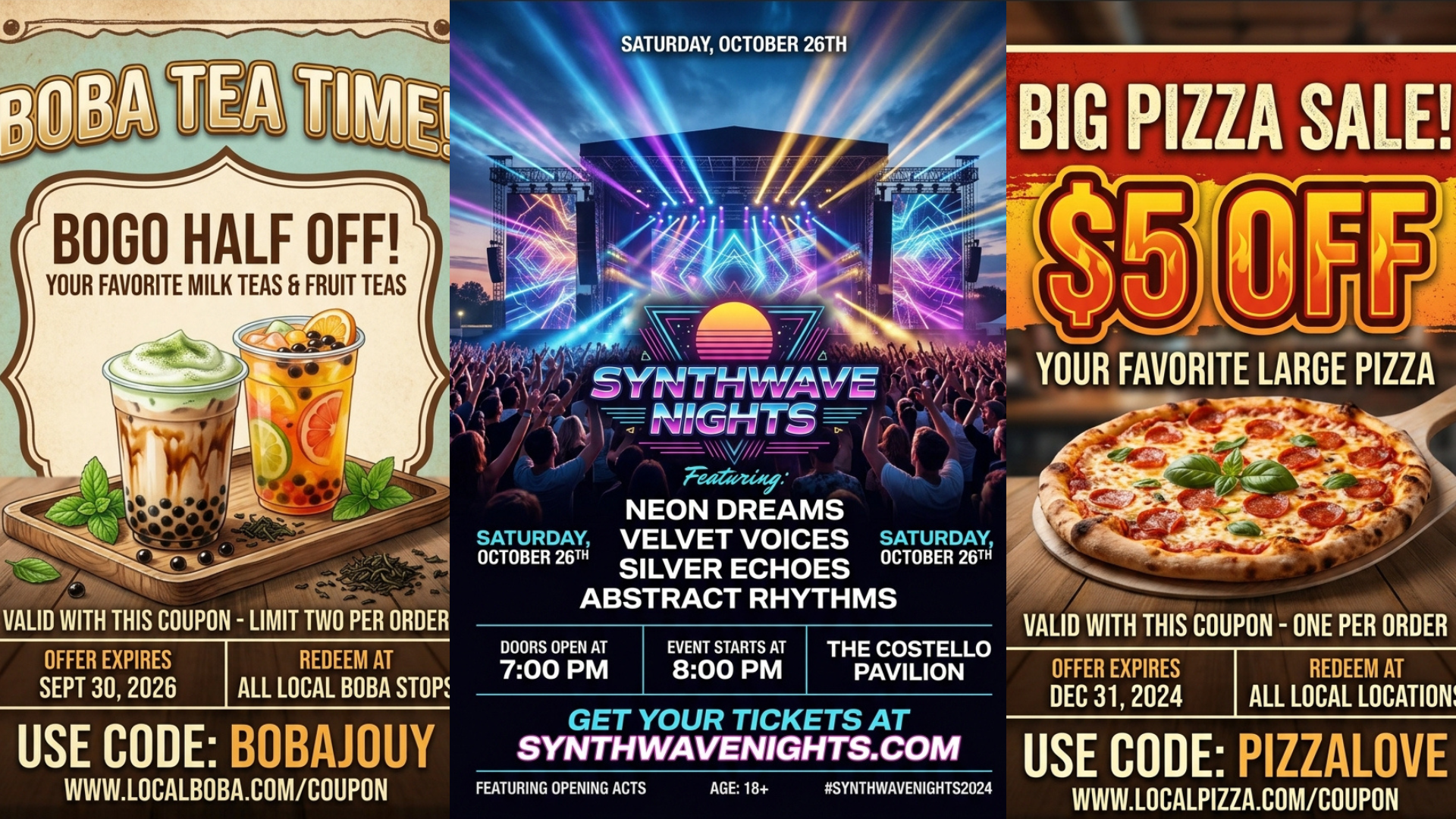
Three AI Generated event flyers: boba tea sale, neon concert night, and big pizza sale
By Performance Digital September 15, 2026
There's an instinct among certain business owners to keep up with the latest marketing trends, and right now, the trend is AI flyers. They're scattered across social media and aside from sales and promotions, can communicate a lot about what or who a brand is. The instinct is understandable, and for many business owners, a quick solution that can potentially elevate their brand is exactly what they need. The low barrier to entry seems attractive to someone who's already strapped for time and may not be able to afford a professional designer on a weekly basis, but here are a few things to consider and ask yourself before putting one of these flyers together.

Human hand reaching toward a robotic hand on a white background
By Performance Digital September 8, 2026
There’s a sentence I hear more and more often in digital marketing conversations: “Well, can’t I just use AI to make that?” And the answer is… probably. You can use AI to write a blog, create social posts, generate an image, draft an email, come up with Google Ads headlines or build a content calendar in seconds. I’m not going to tell you that’s a bad thing. We use AI, too. It has made parts of our jobs faster, helped us work through ideas and given marketers access to tools we couldn’t have imagined a few years ago. But being able to make something and knowing what you should make are two very different things. 
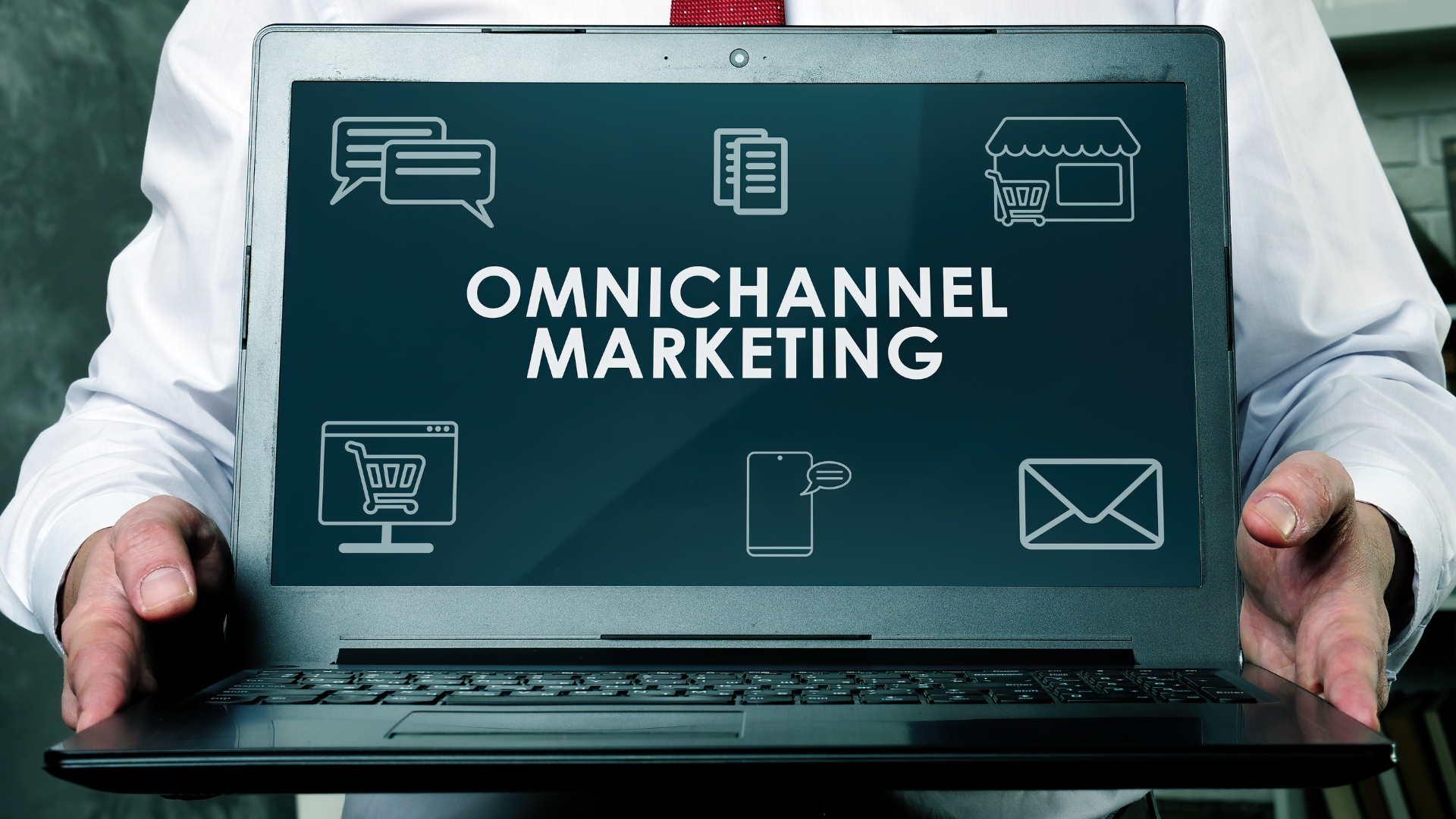
Laptop screen showing “OMNICHANNEL MARKETING” with digital communication icons
By Performance Digital September 2, 2026
Running ads on every platform feels like progress. But if the same message is just copied from one channel to the next, you’re leaving your best growth on the table. Here’s the difference, and why it matters most for small and medium businesses. If you run a small or medium business, you’re probably already doing more marketing than you get credit for. You’re on Google. You’re on Instagram and Facebook. Maybe you’ve dabbled in YouTube, sent a few emails, or put your name on a billboard. By most definitions, you’re “everywhere.” That’s multichannel marketing, and it’s a solid foundation. But being present on a lot of channels isn’t the same as making those channels work together. The businesses that pull ahead aren’t the ones on the most platforms. They’re the ones running omnichannel campaigns: one clear idea, adapted to each channel and each audience, so the whole thing feels like a single, coordinated story. For a business with a limited budget, that distinction isn’t a nice-to-have. It’s the difference between spending money to be seen and spending money to be remembered.

Hands around a table reviewing colorful business charts and graphs on papers and tablets.
By Alexis Rios August 26, 2026
What Is Marketing Data?
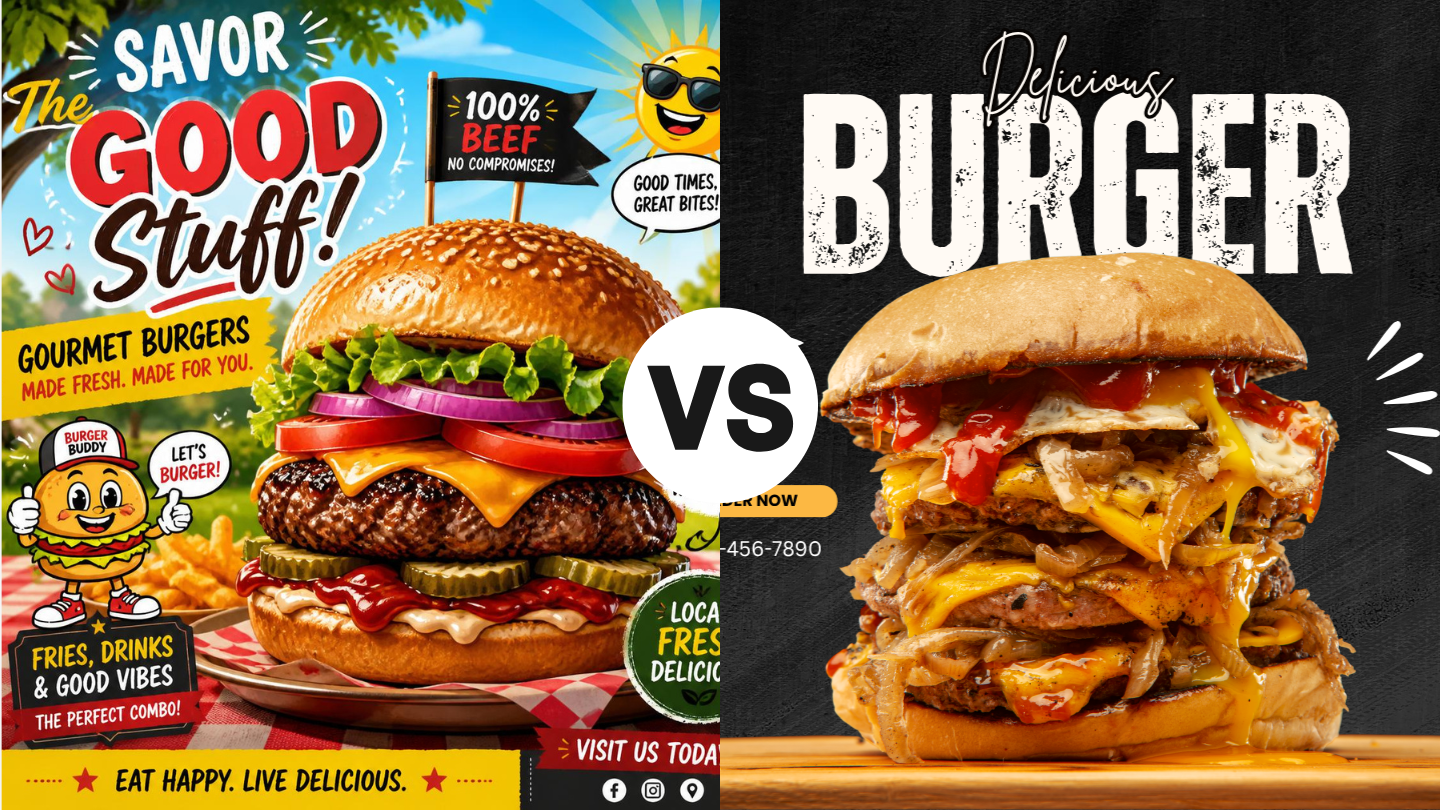
Side-by-side burger ad comparing an AI burger ad and a real burger ad
By Brayden Will August 19, 2026
There's a pattern showing up everywhere right now. A business needs a logo, so someone types a prompt. They need a website, so they pull the two loudest colors out of that logo and call it a palette. They need social posts and an event flyer, so they generate more of the same. Then they paste the identical mark across every surface they own and call the whole thing branding. Here's what most owners and marketing leads don't realize: their audience can tell. Gen Z and millennials can spot generated work almost instantly, and the reaction isn't neutral. It reads as cheap, lazy, and fake. Gen Z is skeptical of AI across the board, but the skepticism gets sharpest when a company uses it for the things that are supposed to represent who they are. A generated logo doesn't say "we're efficient." It says, "We didn't care enough to make this ourselves." A brand is an ecosystem, not a file. The mistake underneath all of this is a definition problem. People think a brand is a logo. A brand is an ecosystem of decisions, strategy, voice, and visuals, woven into what a company believes and how it operates. Trying to rebuild that ecosystem from copies of a single generated graphic is like populating an entire planet with a single organism. Nothing adapts. Nothing has a role. There's no relationship between the parts because there was never a system, just a file that got duplicated. Generative AI isn't at a place where it can replicate the human touch that makes a brand ecosystem work. It can get you a passable logo, barely. Asking it to carry the attention to detail a professional designer brings to an entire identity system, and to maintain that level of detail consistently across dozens of touchpoints, isn't something it can do yet. Why the ecosystem matters more than the logo Every business that has found even minimal success has a real brand behind it. That's not a coincidence, and it's not because the logo was pretty. A strong brand does three things that go straight to the bottom line: It builds trust and credibility fast. People decide whether you're legitimate before they read a single word of copy. It creates consistency across every touchpoint. Ads, signage, social, email, and physical assets. When all of it feels like one company, you feel like a company worth buying from. It stretches your marketing budget. A strong brand makes every campaign more effective, which means the same spend does more work. Weak branding means you're paying to reintroduce yourself every single time. The building blocks, in the order that works 1 - Know who you are and who you're for This is the step everyone skips, and it's probably the most common reason businesses stall out. If you can't articulate your identity and your audience, nothing downstream has anything to hold onto. 2 - Build the visual identity Logos, colors, type. This is the flashy step, the one everyone wants to start with, because it's the face of the brand and it's what people point at. Built on a weak base, it means next to nothing. 3 - Combine them into voice and messaging Steps one and two together tell you how the brand speaks. Values plus visuals equals how you want to be seen, how you're represented, and how you communicate. 4 - Stay consistent everywhere The step that looks the least glamorous and matters just as much. The right logo, type, and colors in every place your brand appears, plus a voice that holds steady across all of it. Successful brands don't just do these steps. They do them in this order. Signs your branding needs work Your look shifts depending on the platform Nothing clearly separates you from your competitors. Your team can't describe the brand in one sentence. Every marketing push feels like starting from scratch. If more than one of those landed, the problem isn't your logo. It's that there was never a foundation under it. How we approach it at Performance Digital We spend most of our energy on the steps people skip. It starts with a 60-to-90-minute guided discovery session. We ask complex questions designed to get to the root of who you are, covering primary audience considerations, brand personality and attributes, desired market positioning, and voice and tone direction. It's not a form. It's a conversation that surfaces things most teams have never put into words. From there, we write a brand brief: brand direction, target audience, brand personality, positioning priorities, visual objectives, and voice and tone characteristics. All of that happens before a single logo concept gets sketched. That's the point. By the time we start designing, we already know exactly what the design must accomplish, so every choice traces back to something real about your business. Let's look at yours If any of the signs above sounded familiar, it's worth getting a second set of eyes on it before you spend another dollar pushing an identity that isn't working. Reach out for a brand audit , and we'll walk through where your brand stands today, what's holding it back, and what it would take to build something your audience believes.

Smartphone on a tripod recording a woman speaking indoors, with a ring light above the phone.
August 13, 2026
What is Social Media Algorithm?