The Rise of AI and What it Means for Omaha’s Small Businesses

Alexis Rios • December 2, 2025

Omaha, known for the College World Series, Terence Crawford, and its strong volleyball culture, is now positioning itself to become the Midwest hub for artificial intelligence. 


To shape Omaha’s economic future, the Greater Omaha Chamber partnered with Scott Data, driving the city’s transformation into a leading center for AI in the Midwest. 


This collaboration, paired with the University of Nebraska at Omaha’s growing AI programs, has created the perfect environment for innovation and growth. Omaha is not just observing the rise of AI; it is embracing it head-on. 


As the city moves forward with AI, this is the perfect time for local businesses to get involved, whether by testing the waters or fully committing. But before exploring how AI can be used, it’s worth asking: Why should Omaha businesses care about AI in the first place? 


The answer comes down to three key benefits: efficiency, insight, and ideation, the powerful advantages AI provides. 

Before diving into examples, let’s explore how each of these areas can make a direct impact on Omaha’s small business community. 

Efficiency

AI helps small teams operate like large ones by saving time, automating routine tasks, and keeping communication consistent. 

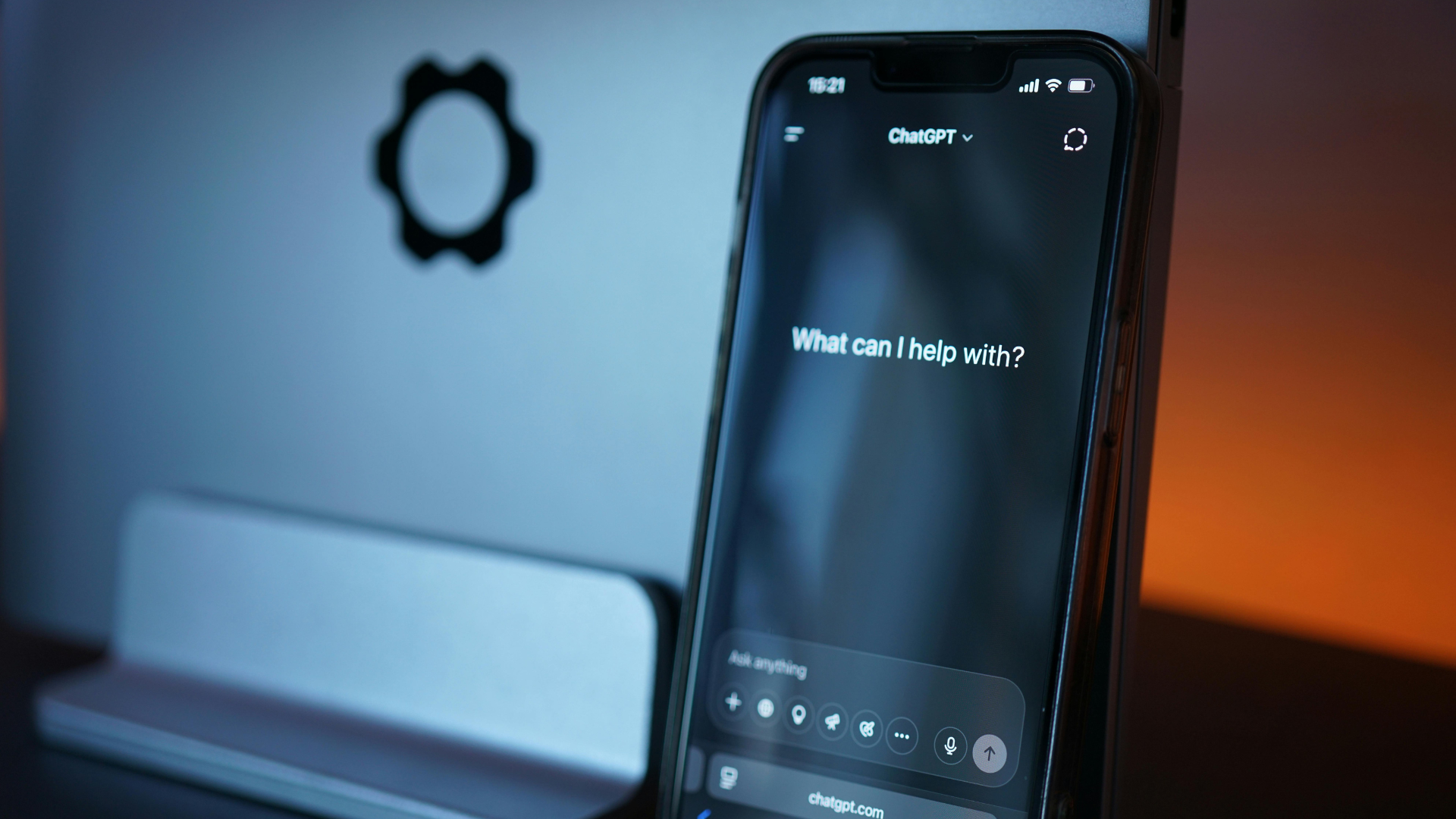
  • Writing and communication: Tools like Grammarly or ChatGPT can draft and polish emails, client messages, and marketing copy. 
  • Automation and scheduling: Zapier and HubSpot automate repetitive workflows such as sending follow-up emails, segmenting customers, and managing campaigns. 
  • Customer service: AI chatbots from Tidio or HubSpot can handle website inquiries 24/7, freeing up time for sales and strategy. 
  • Meeting summaries: Tools like Otter.ai or Fireflies.ai turn virtual or in-person meetings into quick summaries and action items. 

When used strategically, AI cuts down on manual work, boosts productivity, and allows business owners to focus on higher-value goals like growth and client relationships. 

Insight

Beyond automation, AI helps businesses truly understand what’s happening behind the scenes.

  • Data analysis: Platforms like Zoho Analytics, Power BI, or QuickBooks AI interpret your marketing, finance, and sales data, explaining trends in clear language. 
  • Forecasting and reporting: AI tools project sales, track marketing ROI, and highlight anomalies such as sudden dips in campaign performance. 
  • Decision support: By combining marketing and financial data, AI can answer key questions like “Which product line is most profitable?” or “Which campaigns bring the best ROI?” 

For small businesses, AI transforms raw numbers into clear, actionable insights that lead to smarter, faster decision-making.

Ideation

AI can also serve as a creative partner, helping entrepreneurs explore new ideas and directions. 

  • Logo and branding: Tools like Namelix or Looka can quickly create logo and color palette options. 
  • Social media and content: Platforms such as Predis.ai and Copy.ai brainstorm post ideas, captions, and content variations tailored to your audience. 
  • Business strategy: Tools like Upmetrics and IdeaBuddy help outline business plans, marketing strategies, or new product ideas. 

AI gives entrepreneurs a structured, fast, and accessible way to explore creative possibilities, from developing visual identities to planning long-term growth. 

Final Thoughts

AI is more than a trend in Omaha; it’s becoming a key driver of business growth and innovation. Local businesses can leverage AI to automate processes, improve efficiency, and uncover valuable insights that support smarter scaling. 


The true power of AI lies not in replacing people but in enhancing what they can do. Human authenticity, creativity, and judgment remain irreplaceable, and when combined with AI, they become an even stronger force for innovation and success. 


At Performance Digital, our team is well-versed in AI tools and data-driven solutions, and we are planning to launch our own AI-powered marketing services next year. 


If you are a business owner in Omaha looking to grow, adapt, and stand out in this new era of AI, contact us today. We would love to help you explore how AI and smart marketing can work together to take your business to the next level. 

Share

Hands around a table reviewing colorful business charts and graphs on papers and tablets.
By Alexis Rios August 26, 2026
What Is Marketing Data?
Side-by-side burger ad comparing an AI burger ad and a real burger ad
By Brayden Will August 19, 2026
There's a pattern showing up everywhere right now. A business needs a logo, so someone types a prompt. They need a website, so they pull the two loudest colors out of that logo and call it a palette. They need social posts and an event flyer, so they generate more of the same. Then they paste the identical mark across every surface they own and call the whole thing branding. Here's what most owners and marketing leads don't realize: their audience can tell. Gen Z and millennials can spot generated work almost instantly, and the reaction isn't neutral. It reads as cheap, lazy, and fake. Gen Z is skeptical of AI across the board, but the skepticism gets sharpest when a company uses it for the things that are supposed to represent who they are. A generated logo doesn't say "we're efficient." It says, "We didn't care enough to make this ourselves." A brand is an ecosystem, not a file. The mistake underneath all of this is a definition problem. People think a brand is a logo. A brand is an ecosystem of decisions, strategy, voice, and visuals, woven into what a company believes and how it operates. Trying to rebuild that ecosystem from copies of a single generated graphic is like populating an entire planet with a single organism. Nothing adapts. Nothing has a role. There's no relationship between the parts because there was never a system, just a file that got duplicated. Generative AI isn't at a place where it can replicate the human touch that makes a brand ecosystem work. It can get you a passable logo, barely. Asking it to carry the attention to detail a professional designer brings to an entire identity system, and to maintain that level of detail consistently across dozens of touchpoints, isn't something it can do yet. Why the ecosystem matters more than the logo Every business that has found even minimal success has a real brand behind it. That's not a coincidence, and it's not because the logo was pretty. A strong brand does three things that go straight to the bottom line: It builds trust and credibility fast. People decide whether you're legitimate before they read a single word of copy. It creates consistency across every touchpoint. Ads, signage, social, email, and physical assets. When all of it feels like one company, you feel like a company worth buying from. It stretches your marketing budget. A strong brand makes every campaign more effective, which means the same spend does more work. Weak branding means you're paying to reintroduce yourself every single time. The building blocks, in the order that works 1 - Know who you are and who you're for This is the step everyone skips, and it's probably the most common reason businesses stall out. If you can't articulate your identity and your audience, nothing downstream has anything to hold onto. 2 - Build the visual identity Logos, colors, type. This is the flashy step, the one everyone wants to start with, because it's the face of the brand and it's what people point at. Built on a weak base, it means next to nothing. 3 - Combine them into voice and messaging Steps one and two together tell you how the brand speaks. Values plus visuals equals how you want to be seen, how you're represented, and how you communicate. 4 - Stay consistent everywhere The step that looks the least glamorous and matters just as much. The right logo, type, and colors in every place your brand appears, plus a voice that holds steady across all of it. Successful brands don't just do these steps. They do them in this order. Signs your branding needs work Your look shifts depending on the platform Nothing clearly separates you from your competitors. Your team can't describe the brand in one sentence. Every marketing push feels like starting from scratch. If more than one of those landed, the problem isn't your logo. It's that there was never a foundation under it. How we approach it at Performance Digital We spend most of our energy on the steps people skip. It starts with a 60-to-90-minute guided discovery session. We ask complex questions designed to get to the root of who you are, covering primary audience considerations, brand personality and attributes, desired market positioning, and voice and tone direction. It's not a form. It's a conversation that surfaces things most teams have never put into words. From there, we write a brand brief: brand direction, target audience, brand personality, positioning priorities, visual objectives, and voice and tone characteristics. All of that happens before a single logo concept gets sketched. That's the point. By the time we start designing, we already know exactly what the design must accomplish, so every choice traces back to something real about your business. Let's look at yours If any of the signs above sounded familiar, it's worth getting a second set of eyes on it before you spend another dollar pushing an identity that isn't working. Reach out for a brand audit , and we'll walk through where your brand stands today, what's holding it back, and what it would take to build something your audience believes.
Smartphone on a tripod recording a woman speaking indoors, with a ring light above the phone.
August 13, 2026
What is Social Media Algorithm?
Hands typing on a laptop displaying a website on a white desk
By Sydney Burright August 4, 2026
Trendy web design can quietly wreck your conversion rate. Learn how heavy visuals, buried CTAs, and slow load times kill CRO — and what to do instead.
Hands using a smartphone to browse a clothing website on a computer screen.
By Sydney Burright July 14, 2026
Most businesses launch a website and forget about it. Here's what you should actually be doing after launch to keep your site secure, visible, and working for your business.
Hands holding a game controller beside a smartphone, keyboard, and laptop on a desk.
By Performance Digital June 26, 2026
Most businesses treat social media as an awareness-only play. The idea is usually, “Let’s post consistently, grow followers, stay top of mind.” This always looks great on paper but fails to address your audience at each phase of the buyer’s journey. With strategic content built for each part of the funnel, social media can and should addresses each step in your audience’s journey from awareness to conversion. Here's a different way to think about it.