The TikTok Era is Coming to an End: What this means for Digital Marketing

Sydney Burright • January 28, 2025

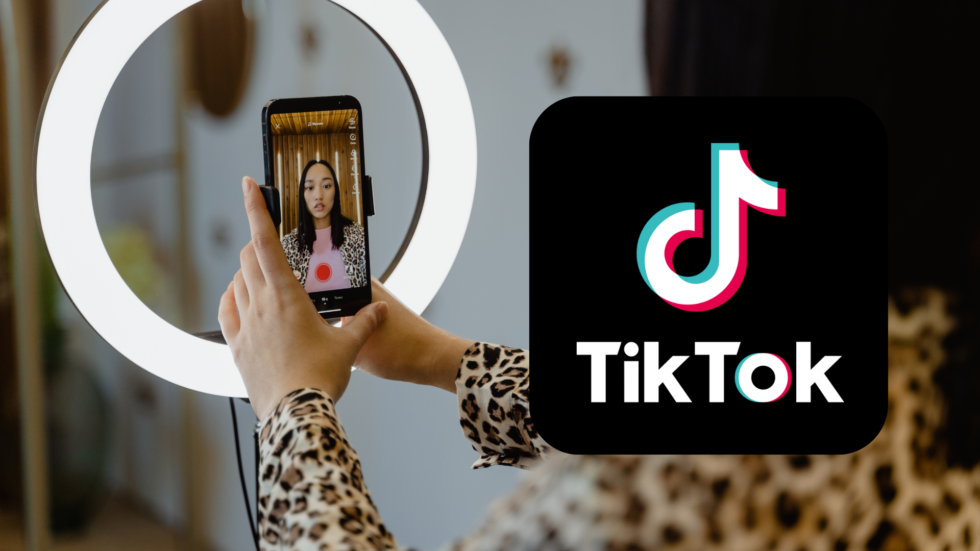
TikTok is still in the process of becoming officially banned in the U.S., raising big questions for the digital marketing world. The decision is being made over concerns about data security, privacy, and the platform’s connections to the Chinese government. Since TikTok has been a major hub for brands, influencers, and creative trends, this ban is forcing marketers to rethink their strategies and adapt quickly.

Why was TikTok so important as a marketing tactic? 

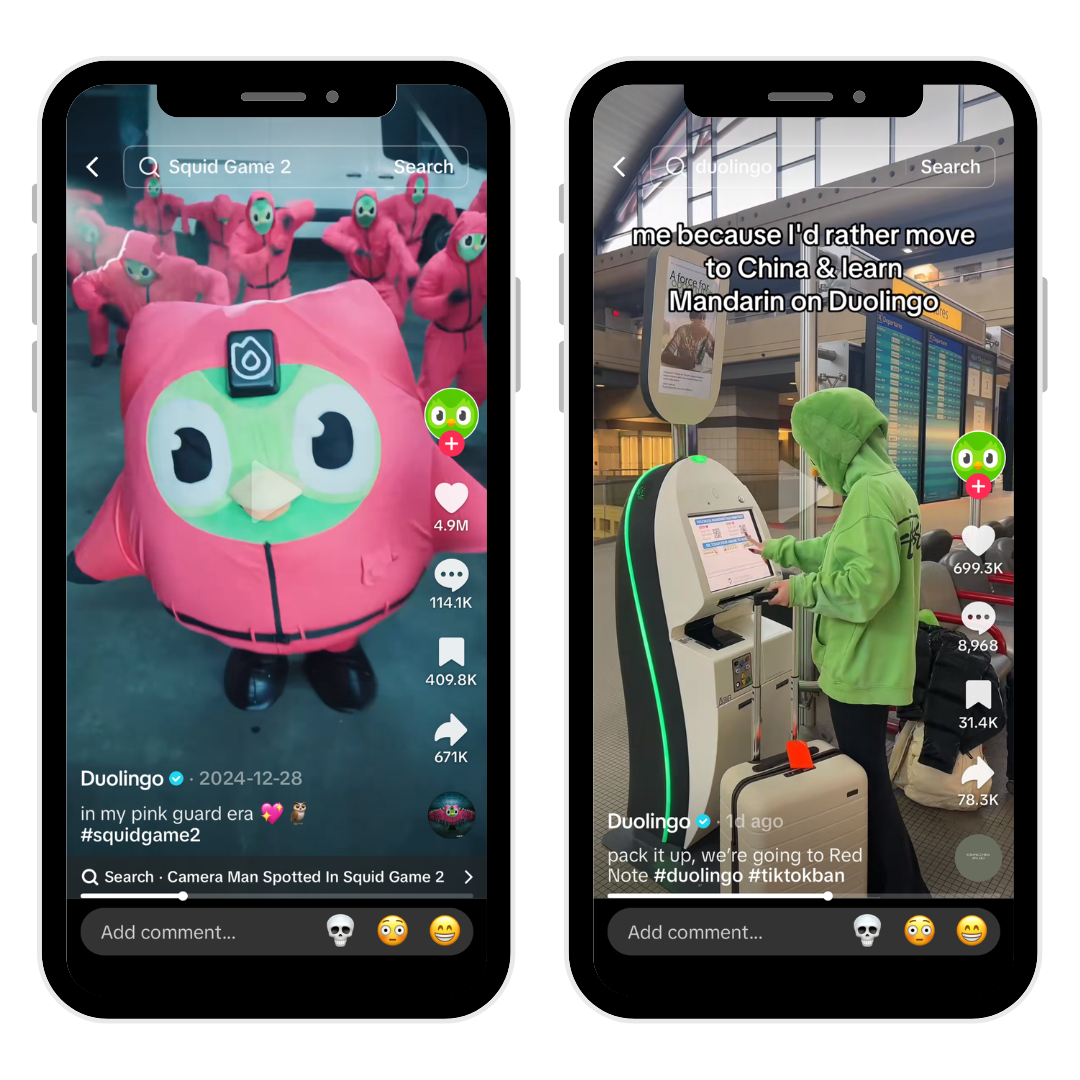
TikTok completely changed the game for digital marketing. TikTok says it has 170 million users in the US that spent an average of 51 minutes per day on the app in 2024. It made short, engaging videos the new standard, forcing marketers to rethink how they connect with audiences. Its trend-driven culture has let brands jump in on challenges, making campaigns feel more fun and authentic. Influencers on TikTok blew up fast, giving brands, like Duolingo, an easy way to reach niche audiences. Plus, the algorithm gives smaller brands a real shot at going viral without spending a fortune. With its huge Gen Z and Millennial audience, it became a go-to for brands trying to connect with younger consumers. 


A woman in a green hoodie is standing next to the Duolingo owl mascot.

How does the ban affect brands and digital marketing? 

Without TikTok, marketers lose access to one of the most dynamic platforms for brand engagement. TikTok is a hotspot for viral trends, making it easier for marketers to stay culturally relevant. Without it, spotting and jumping on those moments will likely be more challenging. 


With TikTok getting banned, influencers and creators will lose a major way to earn money directly from their audience. TikTok Live allows creators to earn real-time income by receiving virtual gifts from viewers, which could be converted into real cash. This unique gift-giving system, exclusive to TikTok, helps influencers engage with their followers and generate income in ways that platforms like Instagram or Facebook don’t offer. Without TikTok, creators will have to find other, less efficient ways to make money during live broadcasts since other platforms don’t have the same gifting options.

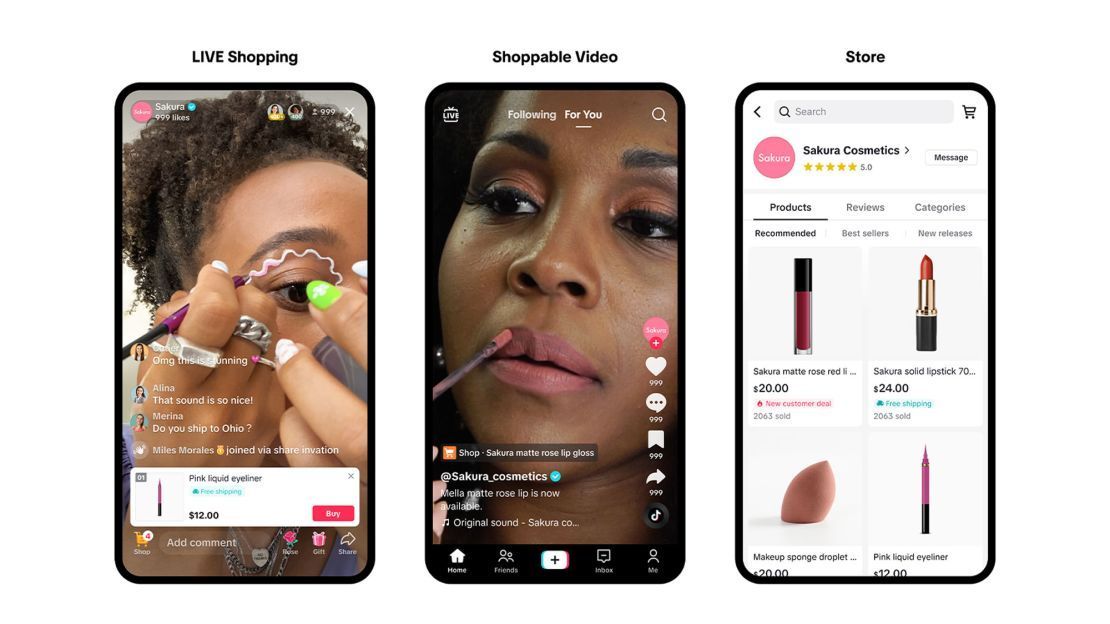
In addition, one of TikTok’s biggest selling points for many small businesses and influencers has been TikTok Shop, the platform’s integrated e-commerce feature. It allows users to sell products directly through the app, making it a go-to marketplace for both individuals and brands. 7 million U.S. small businesses use TikTok shop to sell their products. With TikTok no longer available in the U.S., sellers will lose this direct access to their audience and may find it much harder to recreate that level of seamless sales on platforms like Instagram or Facebook, which may not have the same reach or consumer-driven buying experience.

A woman is applying makeup on her face with the makeup items shown

So what should businesses do?

With the right strategies, businesses can adapt and continue to thrive in the digital landscape.


If TikTok does get officially banned, one of the first steps is to shift focus to alternate platforms. Many brands that heavily invest in TikTok ads will need to shift their focus to other platforms. Influencers who built their audience on TikTok will also have to pivot, along with brands they partnered with—although replicating TikTok’s reach and engagement on other platforms won’t be easy.


To keep their content style alive, brands can adapt their TikTok videos for Instagram Reels or YouTube Shorts, but they may not achieve the same organic reach as before. With more brands flocking to alternative platforms, competition for attention and ad space will increase. By repurposing existing TikTok content for these platforms, businesses can maintain engagement while minimizing disruptions to their content strategy. Diversifying their social media presence is also crucial—relying on a single platform is risky, and expanding to other channels like Facebook, LinkedIn, or Pinterest can help brands reach a broader audience.


Additionally, businesses should prioritize strengthening their direct marketing efforts. Building email lists, optimizing websites, and utilizing SMS marketing ensures a stable connection with their audience, even if specific social platforms change. Collaborating with influencers who have a strong presence on multiple platforms can also help businesses reach new audiences.


While the TikTok ban creates immediate hurdles, it’s an opportunity for brands to experiment with new formats, explore emerging platforms, and invest in community building. A resilient approach will ensure long-term success, even in the absence of TikTok.

Share

Laptop displaying a website beside a red flag on a black pole
By Sydney Burright April 23, 2026
You can have the best business in the world, but if you don't have a website or your current website looks really outdated, people are going to click the "X" and leave your website before they even see what you do. As a designer, I see these same mistakes every single day. The good news is that most of your website's problems are super easy to fix. If your site has any of these 5 red flags, then it's time to build a new one or give your current site a little glow-up.
A presentation in a classroom with two speakers in front of a projection screen and several attendees seated at tables.
By Sydney Burright March 20, 2026
Let’s be real: in 2026, if your business isn’t online, it basically doesn’t exist. When people hear about a new brand, the first thing they do is stalk the website or look for the Google reviews or check out their social media. We recently presented the 7 Marketing Essentials Every New Business Needs to contestants at The Fremont Pitch It Contest and students at Midland University and we want to share our insight with everyone. Whether you're just starting out or leveling up your current set up, here is your starter pack for digital success.
By Alexis Rios February 12, 2026
Going viral is often viewed as the ultimate social media success. One video takes off, views skyrocket, and suddenly your brand is in front of thousands or even millions of new users. While viral content can be incredibly valuable for brand awareness, it is not realistic or sustainable to rely on virality alone.  The primary goal of social media marketing is not to go viral with every post. The goal is to clearly communicate who your business is, what you offer, and why your audience should continue engaging with your content. Virality should support your strategy, not replace it.
Person drawing website wireframes with a marker on a clear surface.
By Sydney Burright January 13, 2026
First Impressions Aren't Just In-Person Anymore
People gather around social media icons like Facebook, Instagram, Twitter, and Pinterest.
By Mariah Narduzzo December 30, 2025
1. Start With Simple, Clear Goals
Notebook with
By Mariah Narduzzo December 16, 2025
From Status Updates to Storytelling